Table of contents
Energy channeling has emerged as a powerful tool for those seeking emotional healing and balance. Delving into the principles behind this practice can unveil how subtle energetic shifts may positively affect mental well-being. Uncover the transformative benefits waiting in the following paragraphs and find out how energy channeling could play an essential role in emotional restoration.
Understanding energy channeling basics
Energy channeling forms the foundation of many holistic therapy practices aimed at emotional healing. At its core, this technique revolves around the idea that the human body possesses an intricate energy field, often referred to as the biofield or aura. This field is believed to permeate and surround the body, acting as a bridge between physical health and emotional well-being. According to the principles of energy channeling, disruptions or imbalances in this biofield can manifest as emotional distress or psychological discomfort, highlighting the deep connection between mind and body.
The flow of energy within the body follows specific pathways, often described in various traditions as meridians or nadis. Practitioners of holistic therapy work to identify and restore the balance of these energy channels, supporting emotional healing by clearing blockages and realigning the biofield. Techniques such as Reiki, therapeutic touch, and chakra balancing are employed to facilitate this process, each aiming to harmonize the energy flow and promote a sense of overall equilibrium. Understanding the interplay between the energy field and emotional states is considered essential for achieving comprehensive healing.
The concept of the mind-body connection underlines the belief that mental and emotional states have a tangible influence on the physical biofield. When emotional turmoil is present, it can disrupt the natural flow of energy, leading to feelings of anxiety, sadness, or unrest. Energy channeling addresses these disruptions directly, offering a pathway to emotional healing by nurturing both the physical and energetic aspects of a person. Embracing this holistic approach enables individuals to experience deeper self-awareness, resilience, and emotional balance through the mindful management of their energy field.
Benefits for emotional well-being
Energy channeling offers significant support for emotional healing by directly addressing stress relief and the release of persistent negative emotions. Through focused techniques, practitioners guide subtle energies to identify and dissolve energy blockages within the body’s emotional system. This process often leads to emotional transmutation, in which distressing feelings are converted into more balanced emotional states. As stagnant energies are released, individuals experience a natural emotional release, contributing to a calm mind and a more resilient sense of self. These methods not only foster immediate relaxation, but also empower individuals to manage future stressors more effectively, promoting sustained emotional well-being.
Common techniques explained
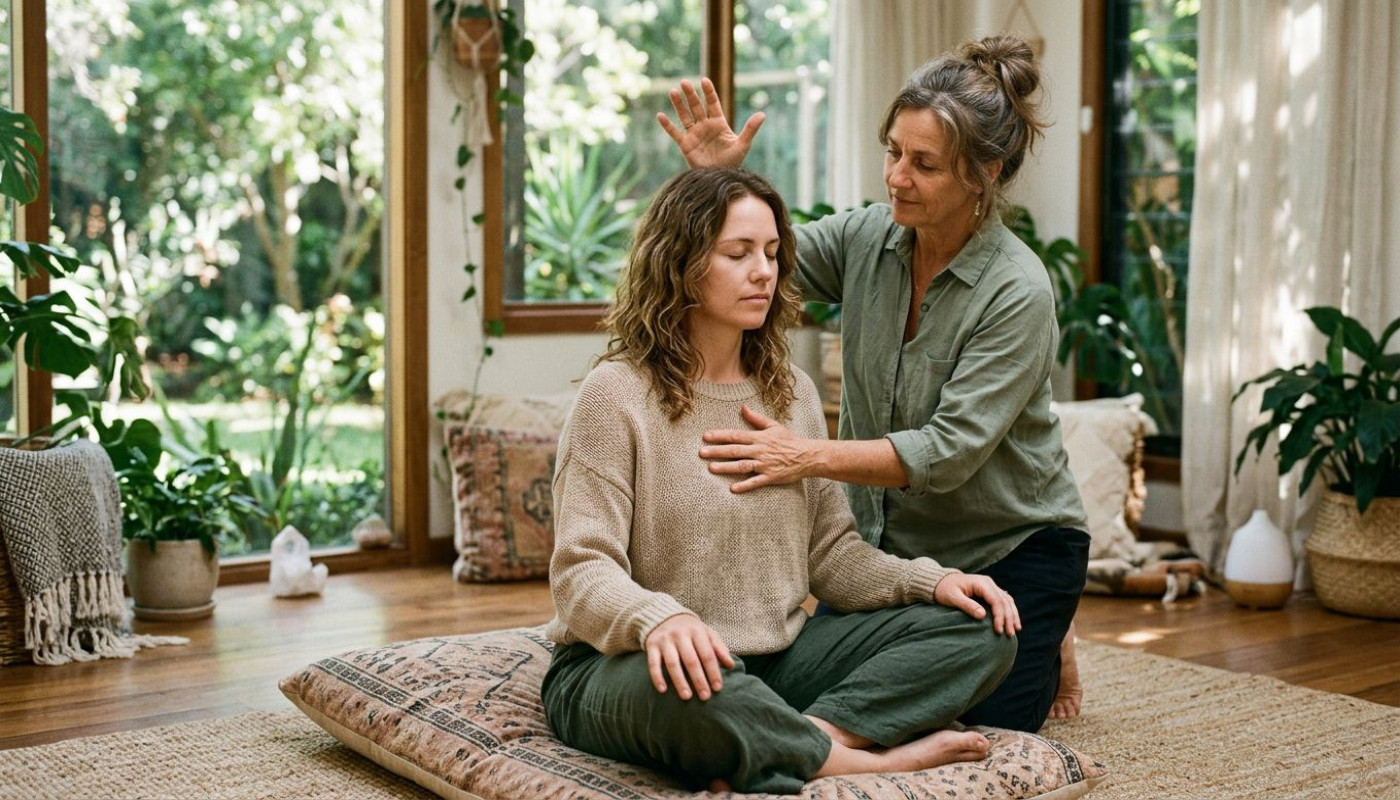
Among the most respected energy channeling techniques for emotional healing, Reiki stands out for its gentle, hands-on approach. Practitioners channel subtle energies through their palms, either by touching or hovering their hands above the recipient. This meditative practice promotes relaxation and can help release emotional blockages, fostering an overall sense of well-being. Reiki sessions often induce a deep state of calm, supporting the body’s natural healing processes and encouraging emotional release in a supportive environment.
Chakra balancing is another foundational aspect of energy healing, focusing on the alignment of the body’s seven main energy centers, or chakras. Techniques may include guided visualization, the use of crystals, or sound vibrations to clear stagnant energy and restore harmony within the subtle energy system. When chakras are balanced, emotional states can stabilize, reducing stress, anxiety, and emotional fatigue. This process aims to reboot the natural flow of subtle energies, which is believed to enhance mental clarity and emotional resilience.
Meditative visualization serves as both a standalone energy channeling technique and an adjunct to practices like Reiki and chakra balancing. By directing focused intention and imagery, practitioners can influence vibrational therapy outcomes, gently shifting emotional patterns rooted deep within the psyche. These methods are valued for their accessibility, as individuals can engage in meditative practice independently or under guidance. Harnessing the power of subtle energies through visualization supports gradual, sustainable emotional healing, making these techniques a trusted part of many holistic wellness routines.
Scientific perspectives and research
Current scientific evidence regarding energy channeling for emotional healing is gradually expanding, with an increasing number of clinical studies exploring its potential impact on emotional health and holistic health outcomes. Randomized controlled trials have begun to examine whether energy-based interventions, such as Reiki, Healing Touch, and similar practices, can reduce symptoms of anxiety, depression, and stress in adult populations. Some energy healing research findings suggest measurable improvements in mood and overall well-being, although the underlying mechanisms remain under debate within the biomedical community. Critics highlight methodological limitations in existing studies, such as small sample sizes and the challenges of applying double-blinding to practitioner-based interventions, yet proponents point to repeated patterns of positive change in emotional resilience and symptom reduction.
Despite encouraging results, the field faces ongoing debates about the physiological plausibility of energy channeling and the reproducibility of reported outcomes. Researchers emphasize the need for more rigorous randomized controlled trials, standardized protocols, and larger diverse cohorts to strengthen the scientific evidence base. Integrative medicine specialists also call for research into placebo effects, patient-practitioner interactions, and long-term benefits, to better understand where energy healing fits within holistic health care models. Peer-reviewed literature continues to evolve, providing nuanced perspectives and highlighting the importance of individualized approaches in emotional healing strategies.
Recent interest in holistic approaches has led to a rise in practitioner-led platforms and resources dedicated to discussing the evidence and practical applications of energy healing. One relevant example is https://www.amyelizabeth.uk, which provides further insights into the integration of energy channeling within emotional health frameworks. As scientific understanding progresses, these resources offer opportunities for both practitioners and individuals seeking to make informed decisions about their emotional well-being.
Integrating energy channeling into daily life
Incorporating energy channeling practice into daily self-care can foster consistent emotional balance and promote self-healing. According to a certified holistic wellness coach, developing a healing routine begins with setting aside dedicated moments each day for mindful practices such as breathwork, meditation, or gentle movement like yoga. These activities help regulate the flow of energy throughout the body, supporting the process of self-regulation and enhancing emotional resilience. Establishing a regular time for these routines, such as in the morning or before bed, allows the body and mind to anticipate and benefit from the calming effects.
Practical steps for integrating energy channeling into everyday life include creating a quiet space free from distractions, using calming music or nature sounds, and focusing on intentional breathing techniques. Engaging in visualization exercises, where one imagines energy flowing through and clearing emotional blockages, can be especially effective. Incorporating simple grounding techniques, such as standing barefoot on natural surfaces or practicing mindful walking, also supports the body's connection to the earth, reinforcing the benefits of self-healing and emotional stability.
Maintaining emotional balance through energy channeling practice is strengthened by tracking progress in a journal, noting shifts in mood or energy levels. Sharing experiences within a supportive community or with a professional coach offers additional encouragement and expert feedback. Over time, these daily routines become foundational for self-regulation, helping to manage stress, release emotional tension, and cultivate a sustained sense of harmony in daily life.
Similar

How Modern Fertility Treatments Empower Personal Family Planning

Exploring The Shift From Energy Drinks To Caffeine Pouches

Exploring The Hidden Benefits Of Lymphatic Drainage For Wellness

Exploring The Benefits Of EMDR And Art Therapy For Trauma Recovery

Exploring Natural Sources Of Collagen For Enhanced Joint Health In Athletes

Exploring The Psychological Benefits Of Shared Healing Experiences

Exploring The Impact Of Plant-based Diets On Long-term Health

Exploring The Profound Impact Of Group Energy In Guided Healing Meditations

Exploring Holistic Approaches To Infant And Adult Sleep Coaching

Understanding And Choosing Health Insurance Plans For Expatriates In Vietnam: A Comprehensive Guide